
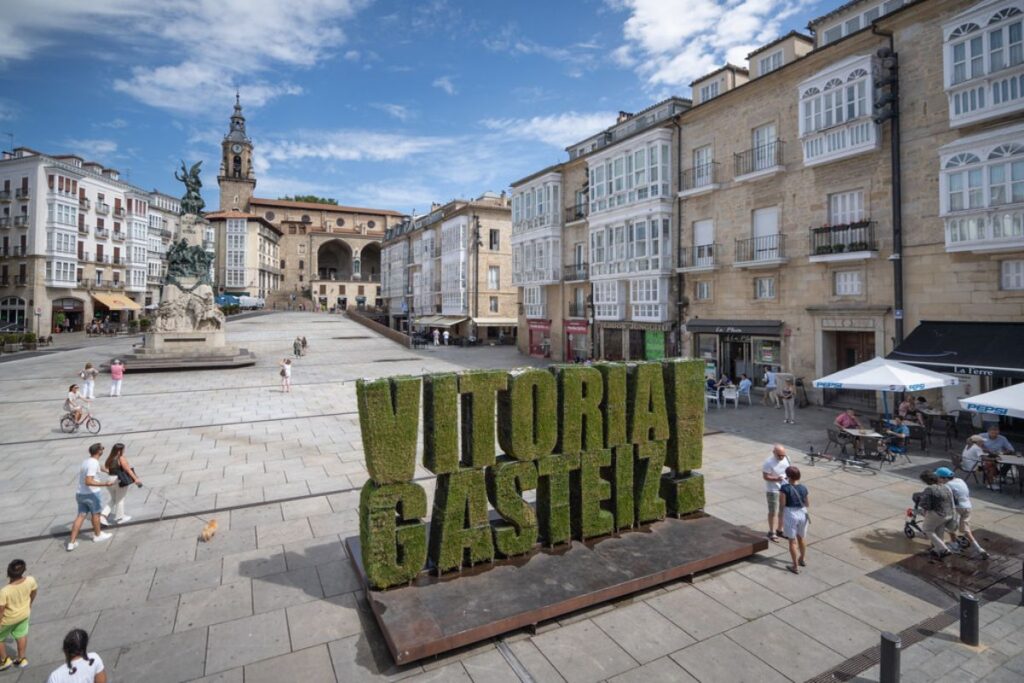
The Summit and Sláinte Scorecard: Vitoria-Gasteiz
What do these scores mean? Read the full Standards here
Affordability: 🍺🍺🍺🍺🍺🍺🍺🍺 9/10
Prettiness: 🍺🍺🍺🍺🍺🍺🍺🍺🍺 9/10
Food & Drink: 🍺🍺🍺🍺🍺🍺🍺🍺🍺🍺 10/10
Late-Night Liveliness: 🍺🍺🍺🍺🍺🍺🍺🍺🍺 9/10
The Spillage Factor: 🍺🍺🍺🍺🍺🍺🍺🍺🍺🍺 10/10
Nomadic Dining: 🍺🍺🍺🍺🍺🍺🍺🍺🍺🍺 10/10
Multi-Gen Mix: 🍺🍺🍺🍺🍺🍺🍺🍺🍺 9/10
Seamless Dining: 🍺🍺🍺🍺🍺🍺🍺🍺🍺🍺 10/10
Overall Craic Rating: 🍺🍺🍺🍺🍺🍺🍺🍺🍺🍺 10/10
Verdict: Vitoria is a masterclass in balance. It offers the high-end gastronomic precision of the Basque coast but at Alavese prices and with half the crowds. It’s a city built for the “slow drift” – moving from a 12th-century cathedral to a modern natural wine bar without ever breaking your stride.
Often overlooked for the flashier streets of San Sebastián or the titanium curves of Bilbao, Vitoria-Gasteiz is the soulful, down-to-earth heart of the Basque Country. It is a city of medieval “almond-shaped” streets, heavy-hitting gastronomy, and a pace of life that revolves around the sacred ritual of the txikiteo. This is a city built for wandering. For grazing. For lingering over a small glass of Rioja while a skewer of anchovy, olive, and guindilla pepper disappears in a single bite.
Call it a pintxos pilgrimage. Or simply a perfect Basque afternoon. From the charcoal-grilled txuleta to the underground natural wine scene, here is how to spend a few days grazing through the capital of Álava.
The Logistics: Getting There and Staying Put
Most journeys begin with a flight into Bilbao, followed by a scenic one-hour wind through the hills to Vitoria-Gasteiz. For a base that balances convenience with local charm and fantastic value for money, look at Nirea Hotel on Eduardo Dato Kalea. It’s a stone’s throw from the train station and positions you perfectly for the evening crawl.
The Basque Country (País Vasco/Euskadi): A “Summit & Sláinte” Cheat Sheet
The Basque Country (Euskadi) doesn’t “do dinner” in the traditional sense; it grazes. To master the crawl from the medieval streets of Vitoria-Gasteiz to the coastal bars of San Sebastián, follow these ground rules.
1. The Bar Strategy
- The “One Bar, One Plate” Rule: Never settle in for a full meal. The goal is the Nomadic Drift. Enter, order one drink and one specialty pintxo (check the chalkboard for hot items), eat, pay, and move next door.
- The Napkin Index: If the floor is covered in small, waxy paper napkins, the bar is likely elite. It’s a local sign of high turnover and a beloved neighborhood spot.
- Pintxo-Pote: Look for this on Thursdays. For €2–€3, you get a pote (small drink) and a pintxo. It’s the ultimate high-value social crawl.
2. The Drinks
- Zurito (Thoo-ree-toh): A short beer (approx. 200ml). The gold standard for a crawl so you don’t fill up too fast.
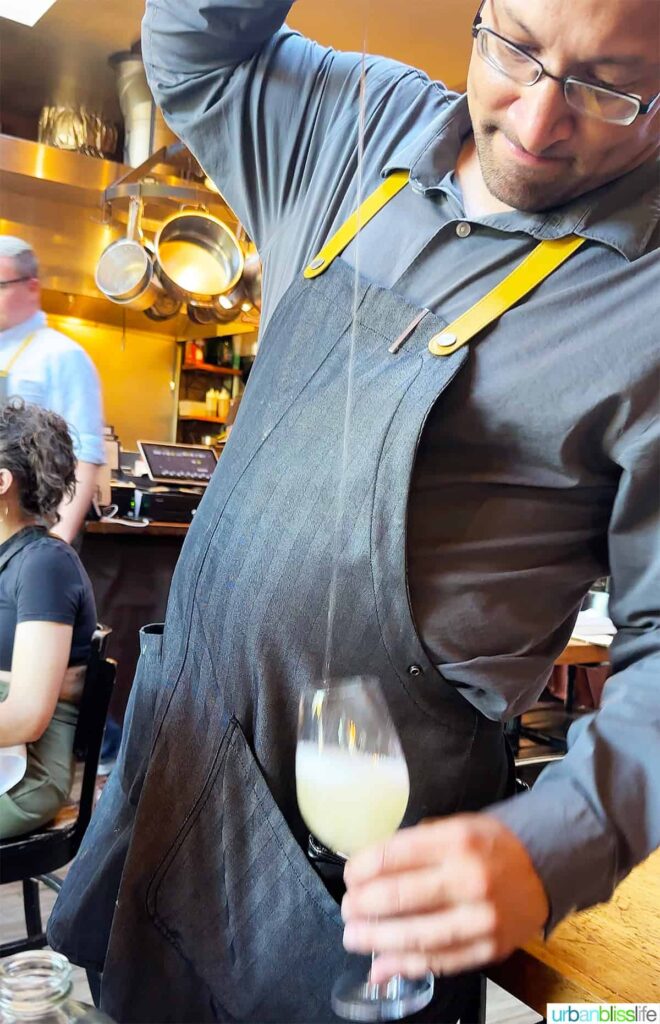
- Txakoli (Cha-ko-lee): A bone-dry, high-acid white wine. Pouring it from a height aerates the wine and releases its natural, prickly effervescence. This is what we drink everywhere we go while in the Basque Country and immediately miss when we leave the area.
- Sagardoa (Sah-gar-doh-ah): Basque cider. It is tart, still, and “funky.” Unlike sweet commercial ciders, this is built for food.
3. A Note on the Language (Euskara)
Euskara is a language isolate, meaning it is unrelated to Spanish, French, or any other known language. While everyone speaks Spanish, using a few Basque words is the ultimate sign of respect.
| English | Euskara | Pronunciation |
| Hello / Hi | Kaixo | Kai-sho |
| Thank you | Eskerrik asko | Es-ker-rik as-ko |
| Please | Mesedez | Me-se-deth |
| Cheers! | Topa! | Toe-pah! |
| Goodbye | Agur | Ah-goor |
| The Bill | Kontua | Kon-too-ah |
4. Regional Txakoli Tweaks
- In Vitoria-Gasteiz (Araba): Expect Arabako Txakolina. It is often less fizzy and more structured—better suited for the city’s heavier grilled meats.
- In San Sebastián (Gipuzkoa): This is the home of Getariako Txakolina. The theatrical high pour is non-negotiable here to release that famous Atlantic spritz. This is our favourite type – but they are all delicious. See here and here for some of our favourite vineyard visits.
- In Bilbao (Bizkaia): Look for Bizkaiko Txakolina – a slightly more aromatic, balanced version that bridges the gap between the coast and the mountains.
5. Pro-Tip: The Gilda
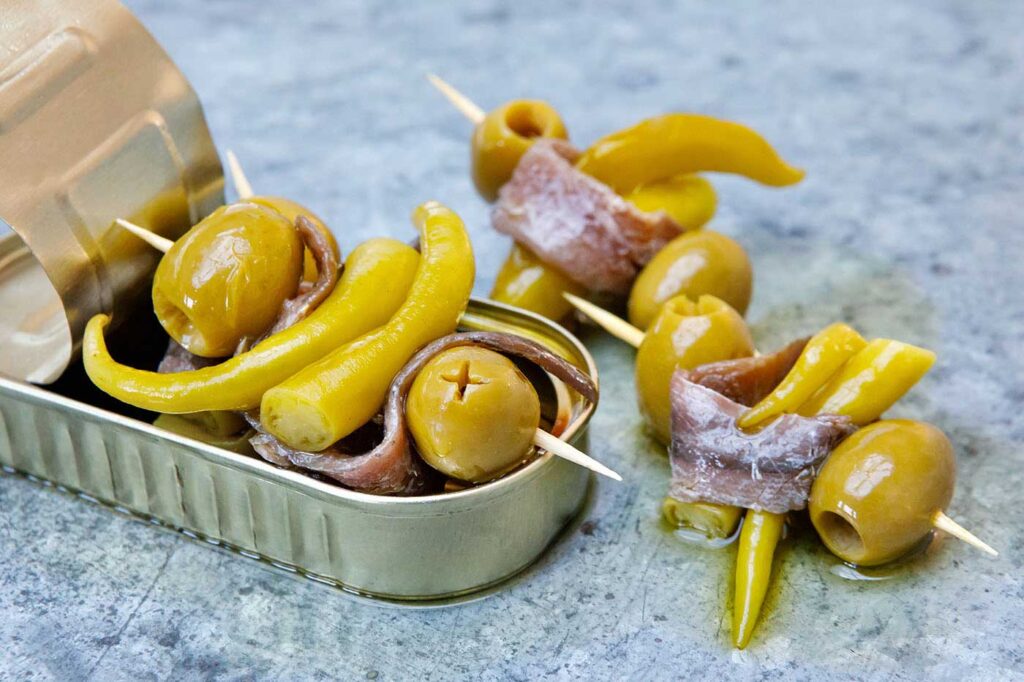
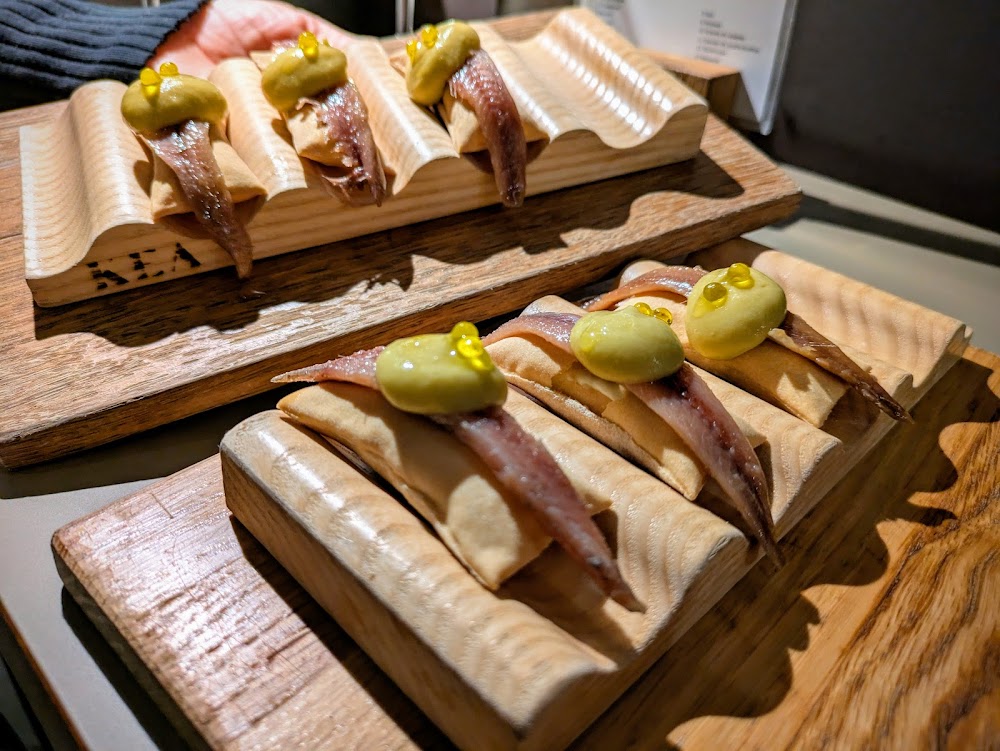
The original pintxo. A simple skewer of a pickled Guindilla pepper, a salty anchovy, and an olive. It’s spicy, salty, and acidic—the litmus test for any Basque bar. If the Gilda is fresh and the olive oil is high-quality, you’re in the right place.
The Art of the Txikiteo
In Vitoria, you don’t just “go for a drink.” You participate in the txikiteo – the art of drifting from bar to bar, pairing small glasses of wine with singular, curated pintxos.
Start with the classics. Look for the ‘Eusko’ Label, a mark of local quality ensuring your food is free from anything artificial. You’ll want to hunt down a Gilda (the iconic Guindilla pepper, anchovy, and olive skewer) and the Chuleta-style croquetas, which pack the punch of a charcoal-grilled steak into a single creamy bite.
The Companion Peak for these Pints
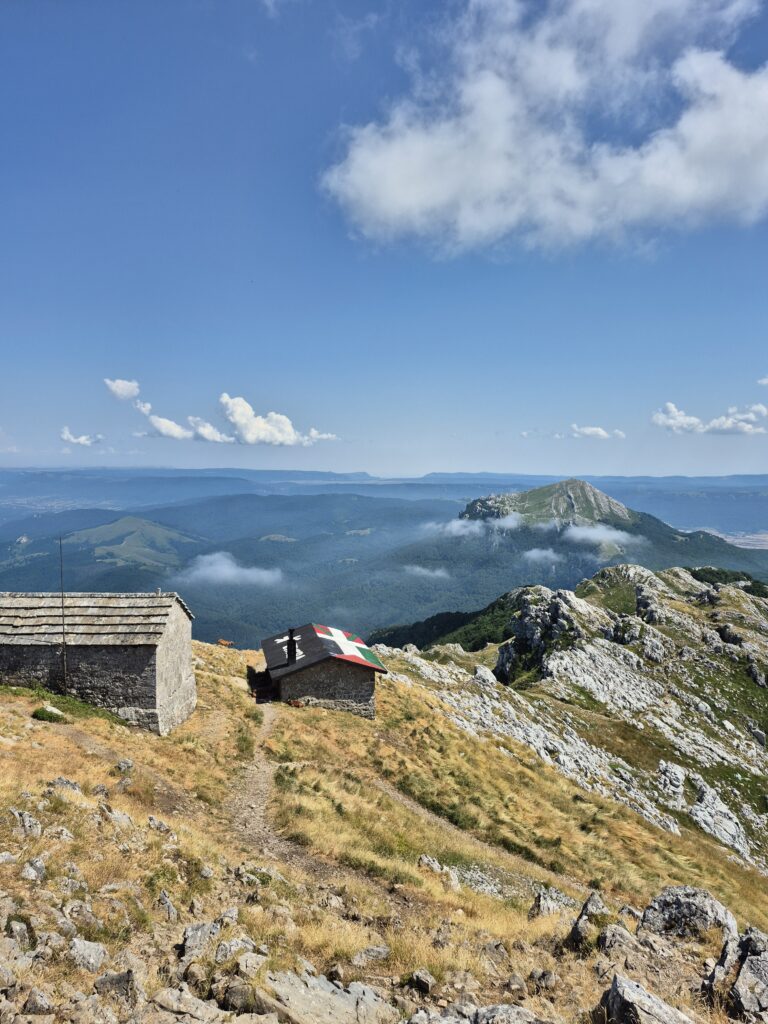
As always, we match our hiking itineraries with the best post-hike bases. Leave the medieval sprawl for the limestone ridge of Aizkorri, the legendary spirit of the Basque mountains. It is a steep, rocky penance through ancient beech forests and high pastures that earns you a view across the entire province of Álava – a rugged, high-altitude preamble to the heavy Rioja pours and txuleta waiting in the valley below. See here for our companion hike itinerary for Aizkorri here.
Alternatively, see here for our companion hike itinerary for Gorbeia.
The Pintxo Trail: From Cuchillería to the City Walls
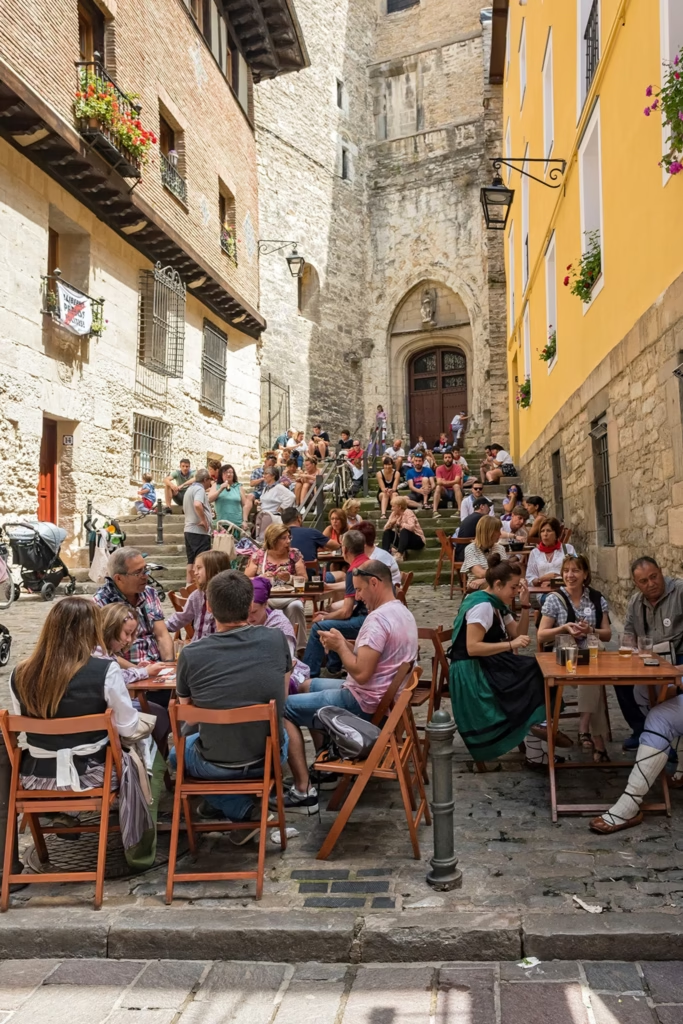
Concentrate your efforts around Calle Cuchillería and Calle Herrería. This is where the city’s creative energy lives.
- El Toloño★: A mandatory first stop for the irlandes de perretxikos (a decadent slow-cooked egg with mushroom cream) and what many consider the city’s best Gilda. We found ourselves beginning our crawl here and inevitably circling back for one last round. It’s a high-energy baptism where you must push through the crowd to the bar, shout your order to the fantastic staff, and then carry your Txakoli and plates outside to join the masses. It is also the place to embrace the local tradition of dropping napkins on the floor inside or out – a habit that felt incredibly difficult to start, but is the true sign of a bar well-loved.
- Sagartoki: Famous for a modern take on the tortilla featuring truffled egg.
- Bar Erkiago★: A local gem on the low side of town. While they are renowned for the Vieira del Peregrino (scallop confit with seaweed vinaigrette), they are the go-to for inventive curry pintxos served in a small bread bowl. Grab a couple and head outside to the nearby seats along with locals of all ages.
- La Malquerida: Try the brocheta de langostino (shrimp skewer) finished with a striking black alioli.
- The Classics: Hit Bar Txiki inside the market for a traditional tortillaEl Tulipán de Oro for chorizo al infierno, Cafeteria El Pregón for their croquetas, and El Siete for morcilla con piquillos.
- The View: End at Torre de Anda for cheese boards and wine, ideally enjoyed while sitting directly on the ancient city walls.
The Heavy Hitters: Where to Eat
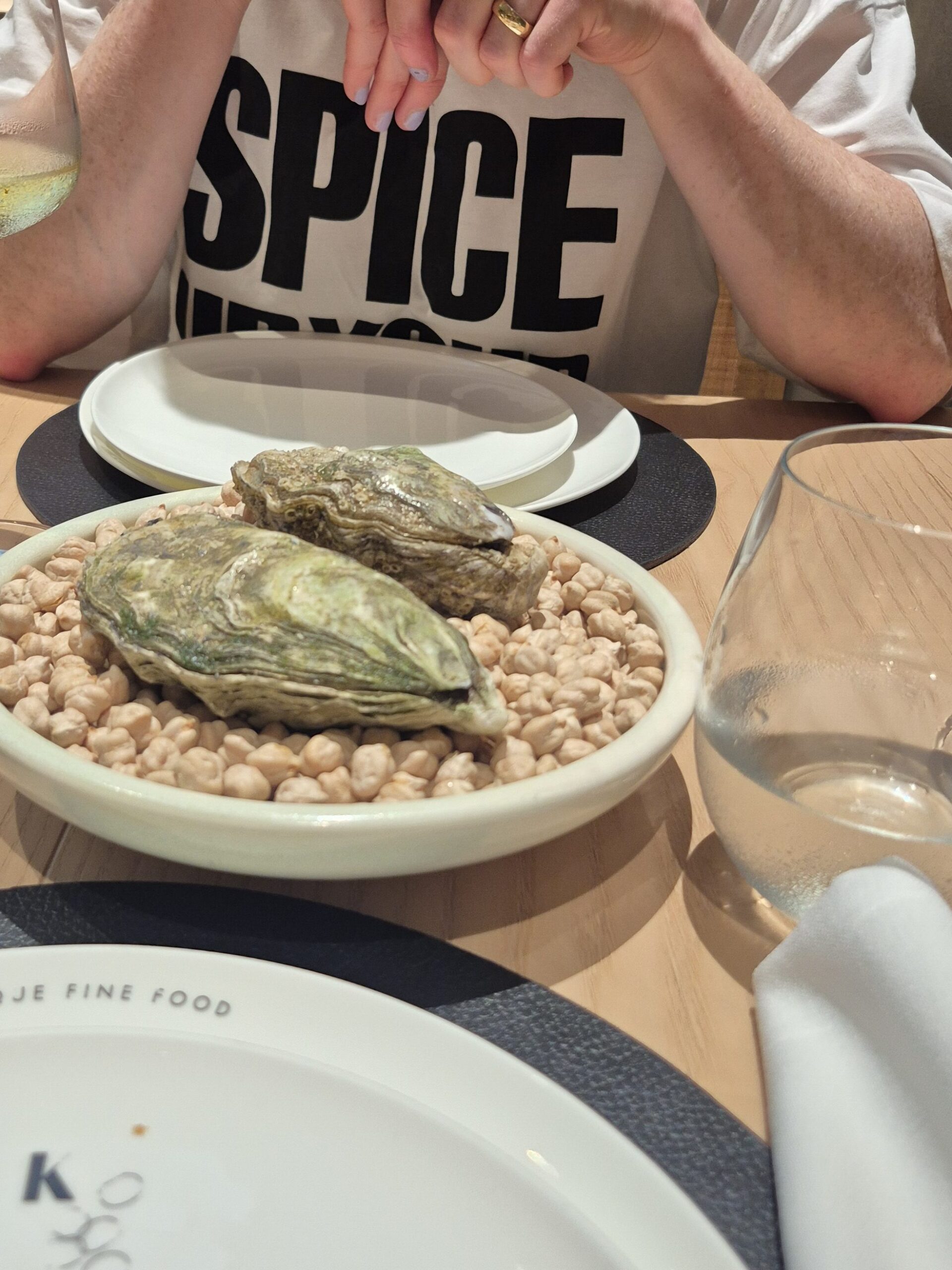
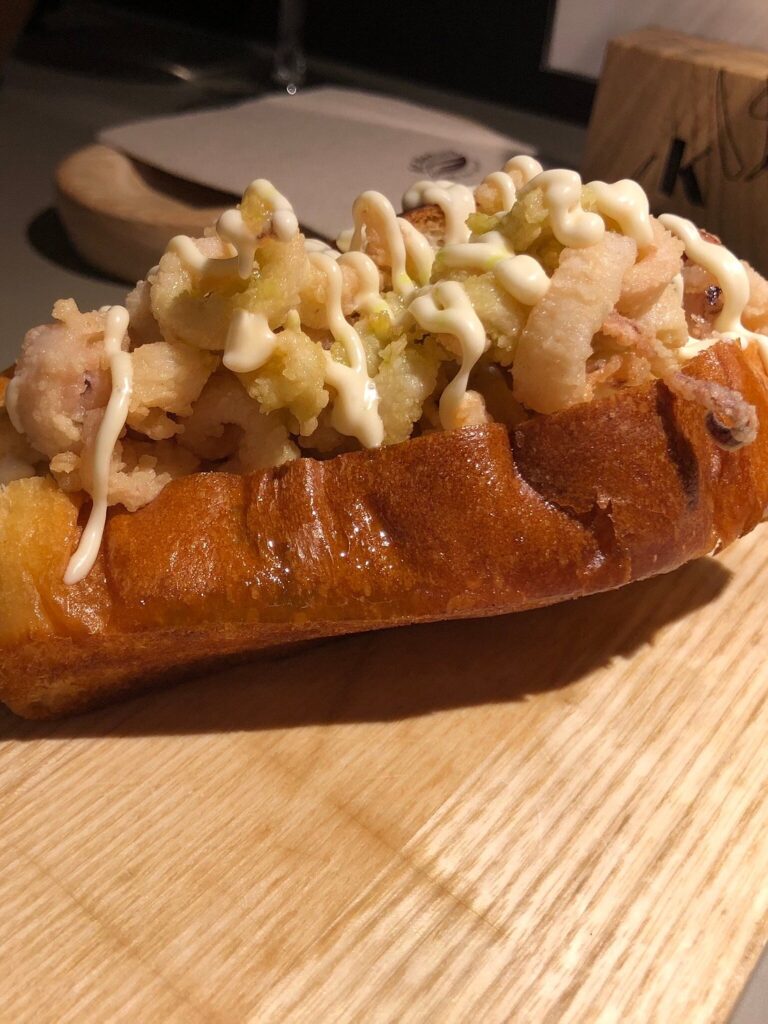
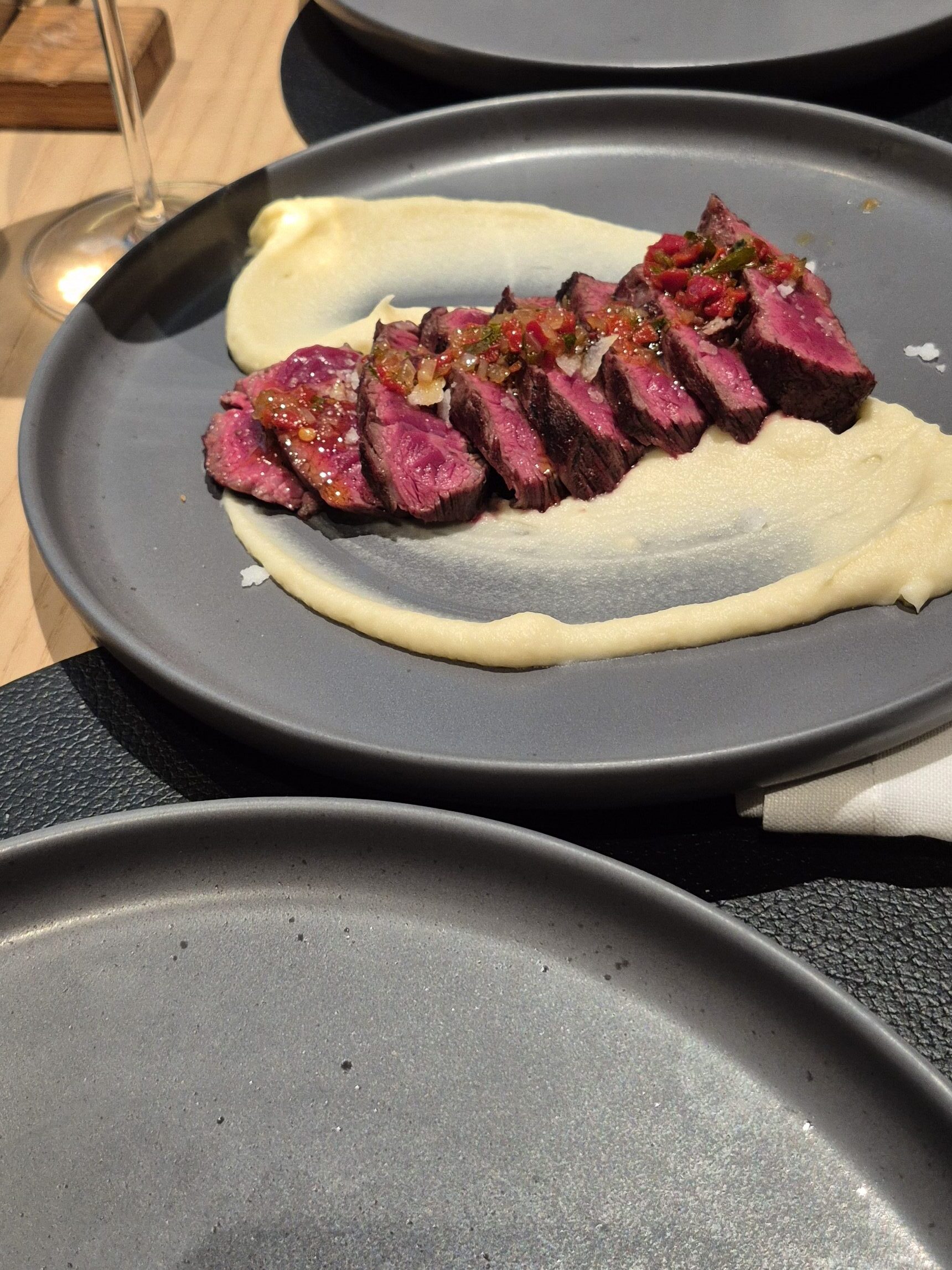
- KEA Basque Fine Food (1 Sol)★: Spit into a restaurant and pintxo bar – there are no bad choices here whichever side you pick. This was one of the few places on our Basque Country trip that we decided to have a sit-down meal given how delicious the pintxos are everywhere you go. We had some amazing smoked oysters and basque txuleton steak accompanied by a fantastic bottle of natural orange wine. The famous brioche pintxos (pastrami and fried squid) are a must. They are not on the restaurant menu so make sure you ask for them if you are sitting down for a meal.
- The Institutions: El Portalón sits in a stunning 15th-century building—order the crispy squid and spider crab. Also check out Matxete, La Vasca (Bib Gourmand), Andere, Laua, and Zelai Zabal.
- Modern Basque: For high-concept technique, seek out Karmine, Zaldiaran, Kromatiko, PerretxiCo★ (try the foie with apple and Bacalao al pil pil), or 144. If you’re exploring the outskirts, Arteaga Landetxea and Almazen Salinas are essential.
- The Stars: For a splurge, book Erre de Roca or Alejandro Serrano, both holding one Michelin star.
The Pour: Rioja, Txakoli, and Natural Finds
- What to order: A Crianza or Reserva red (typically Rioja), or a glass of Txakoli. For something fresh, ask for Cosecheros – young reds often served cold.
- Qino★: The local hub for natural wine and small plates.
- Other reliable stops include Vintage Bar de Vinos, Bodegon Gorbea, and Sagartoki.
- Market Sips: Visit the Eguren Ugarte outpost in the Mercado de Abastos (open 5pm–8pm weekdays).
- Late Nights and Street Life: As the evening matures, the energy shifts toward Independentzia Kalea, the undisputed hub for late-night street life. Starting around Bar El Siete, the crowds spill out of the bars and claim the pavement as their own. Just above, at San Marcos Kantoia, you’ll find the true spirit of the city’s youth; students line the hill and sit along the steps, drinks in hand, simply enjoying life in the cool night air.
Speciality Coffee Stops
Expect excellent specialty coffee – Vitoria takes it seriously.
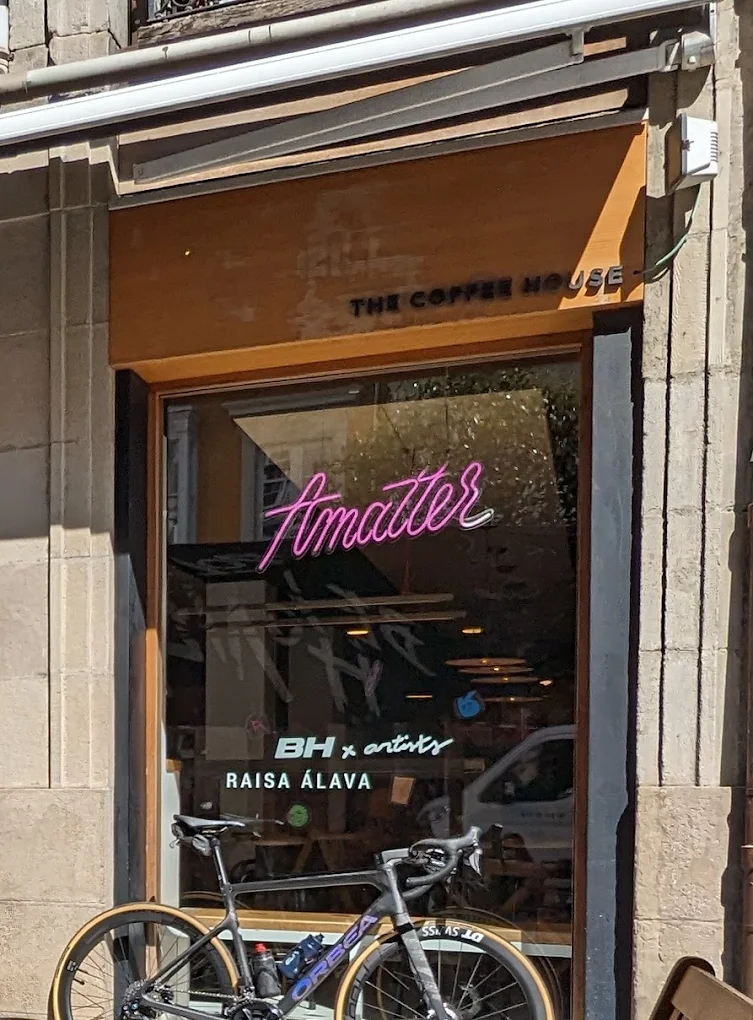
- Maldito Coffee
- Oso Ona ★ (opens early Saturday, around 8:30) – important if you are heading out for Aizkorri.
- Amatter ★Great coffee and cycling hub.
- Cafetoza
- Trike
Vinyl & Vintage Finds
For music lovers:
- Vinylora
- Discolaser
- Old Tower Stuff
Vintage clothing hunters should check:
- Deluxe + Vintage
- Generación X Vintage
Have you found a bar where the napkin-covered floor is even more impressive than El Toloño’s? Let me know in the comments – I’m willing to be proven wrong, but I’ll need photographic evidence of the carnage. If you’re ready to trade the medieval stone for the legendary bodegas of the wine capital, follow us to the next stop on our Basque Country and Rioja journey in Haro here.